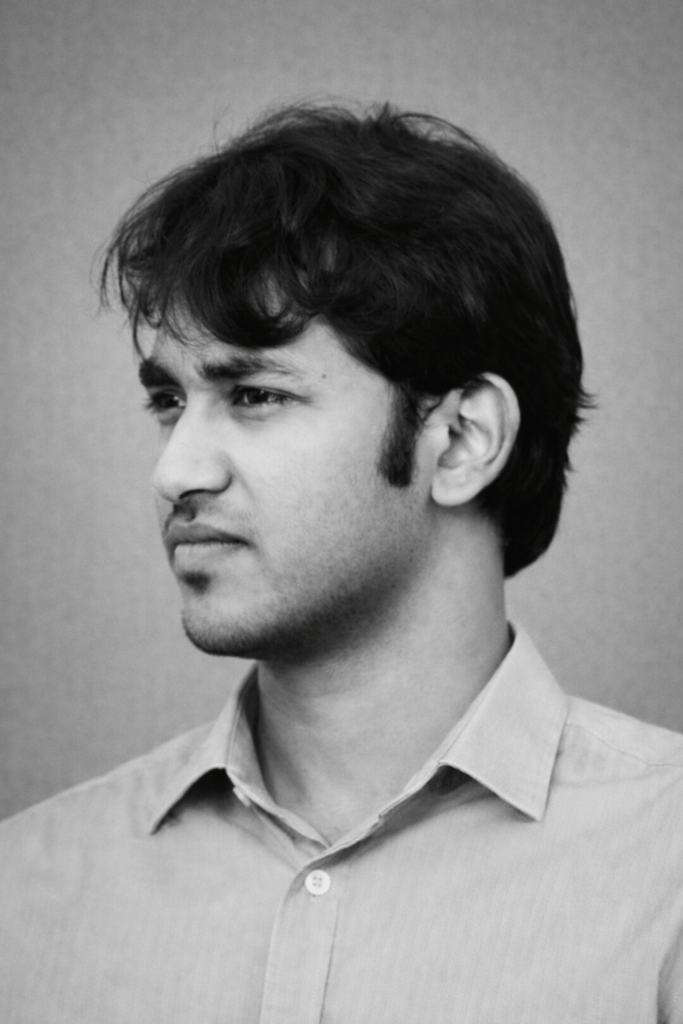
Asif Mohammad Iqbal
Principal Architect
Asif M. Iqbal is a Principal Architect at SpaceEdge Ltd., working across architectural design, urban research, and integrated project delivery with over nine years of professional experience. His work reflects a careful balance between design intent, technical resolution, and real-world constraints, shaped through close collaboration with multidisciplinary teams and diverse stakeholders, while his leadership role helps shape the company’s architectural vision to ensure design solutions align with client objectives, technical feasibility, and commercial performance.
An Associate Member of the Institute of Architects Bangladesh (IAB), Asif has contributed to projects recognized within both national and international architectural contexts. His professional experience spans architecture, urban development, and large-scale infrastructure research, including involvement in the Dhaka Mass Rapid Transit Development Project in collaboration with JICA and the World Bank. This engagement strengthened his understanding of Transit-Oriented Development (TOD) and complex urban systems within dense metropolitan environments.
At SpaceEdge, he leads architectural concept development and design coordination, translating architectural ideas into buildable, sustainable, and commercially viable outcomes. His design approach emphasizes human-centered planning, climate responsiveness, and innovation, with a strong focus on integrating sustainability, technology, cost, schedule, and risk considerations into the design process.
Rooted in the cultural and heritage-driven traditions of Bangladeshi living, Asif views innovation as an outcome of contextual necessity rather than formal expression. He remains deeply invested in the collective potential of the younger generation of architects to advance a more contextual, climatically responsive, and sustainable architectural practice. His professional journey includes experience with Volume Zero Ltd. and Kashef Chowdhury / URBANA, as well as earlier work as a freelance graphic designer—informing a holistic and systems-driven perspective on architecture.